Whether you are just starting in the world of fine art and canvases, or have been around for a while; choosing a good canvas for your projects is always tricky. Today we are going to dive a little deeper into the subject.
What are a canvas and what types we can find
The canvas is the surface on which we paint, and it is usually made of a fabric that is normally composed of cotton, hemp, or linen. The latter is considered to be the highest quality canvas and the one that stands the test of time the best. It is especially good for use with oil painting techniques. The cotton canvas is one of the most popular because it also has high quality but is cheaper than linen canvas.
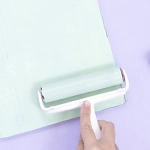
Another point to consider when buying a canvas is whether the canvas is already treated or not. Many canvases are already treated so that we can start painting immediately; however, in other cases, we will have to apply a coat of primer to obtain a better and more durable result.
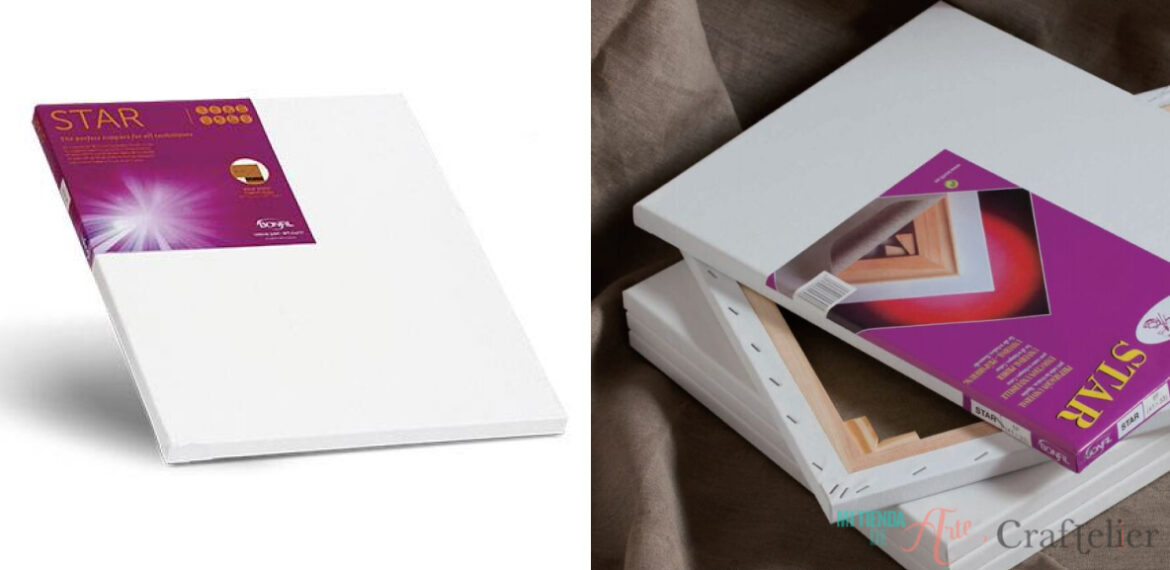
The canvas, whatever material it is, needs support so that we can paint on it. Nowadays, it is the stretcher frame, but originally adhesives were used for this purpose. The technique has evolved a lot and these wooden supports make the painting process much more comfortable and with better results.
As we have already mentioned, there are several points to take into account when choosing a canvas: its material, colour, treatment, and, of course, size.
If we want to buy a ready-to-use canvas (including a stretcher frame) we will find three main sizes on the market (although if we search a little more extensively, we will find more sizes without any problem). The most common formats are:
- Figure: 100 x 81 cm
- Landscape: 100 x 73 cm
- Marine: 100 x 65 cm
As we said above, we can find ready-made canvases, or we can find the materials separately to assemble our canvases on our own. Sometimes we need to make a very specific size project that we cannot find in the market, so we have to assemble our canvas.
Canvas and stretcher bars
A stretcher frame is usually made of wood, to which the canvas is attached so that the canvas is completely tightened and can be painted on. In addition to this frame, we can also find wedges, which will help us to tighten the canvas a little more. These wedges are added to the frame and can be put in at any time, it is not necessary to put them in at the precise moment when we start to paint; simply when we think we need our canvas to be a bit tighter.
How to mount a canvas from scratch?
If we require (or want) to mount a canvas from scratch, and it is our first time, the task may be a bit overwhelming, but it is much easier than it seems at first glance.
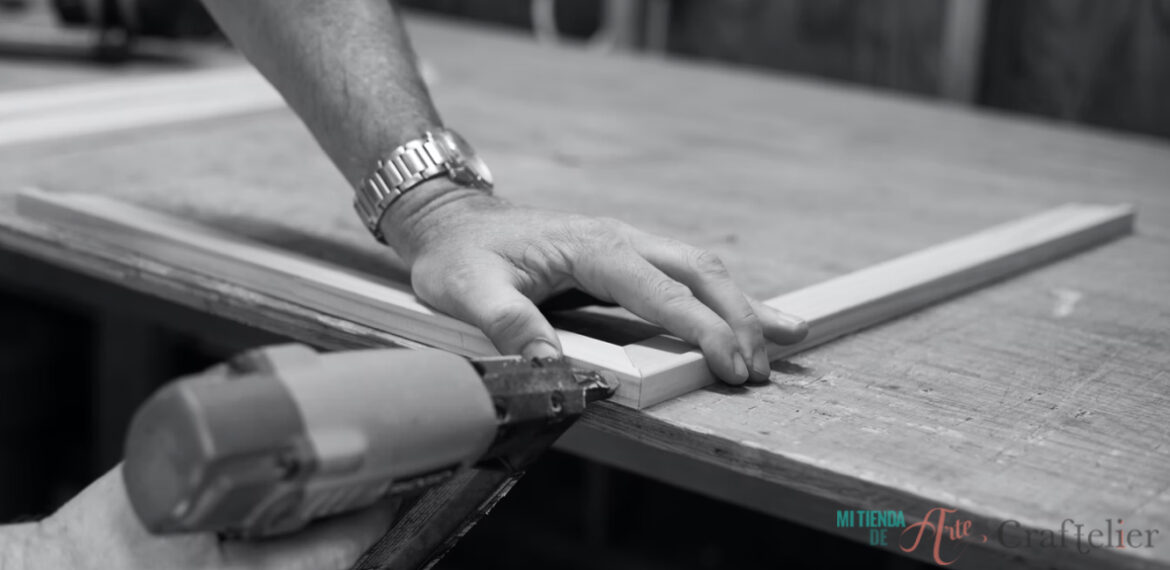
First, prepare the frame, that is to say, the wooden strips. You have two options, to buy them in the size we require or to cut them yourself. If we choose the latter option, pay attention, as you must be precise with your measurements.
And when it comes to joining the frames together... you can use industrial staples, screws, or putty, whatever best suits our needs or what you feel most comfortable working with.
Now it's time to interlace the canvas, that is, to place the canvas in the wooden frame that has already been created. To do this you need a larger size of canvas than the frame, you need to leave at least 5 centimetres of canvas on the four sides of the frame. The important thing in this step is to leave the fabric taut, well stretched. To do this, start by stapling one side of the canvas to the wooden frame and then move to the other side, stretching the canvas well.
If your canvas is not ready, this is the moment to do it. You can use gesso and apply it evenly all over the canvas. It can be painted with oils, acrylics, and almost any paint.
Now tell us, what is your favourite type of canvas to work on?