How would you define scrapbooking? In this post we're going to try to explain what is it.
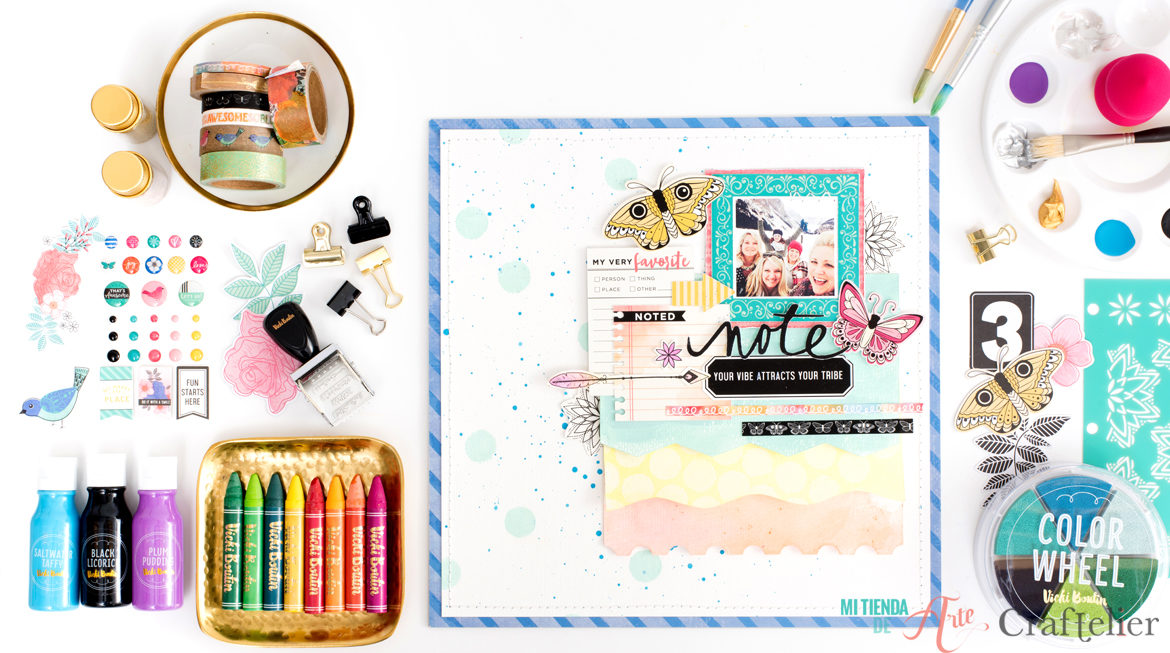 We are sure you've made this creative activity in many different situations without realising what you were doing. We make scrap when we decorate our agenda or planner or when we keep the maps, little notes and travel tickets in a notebook.
Think about it. Have you ever kept the train tickets from a special journey? Have you ever decorate with many details a present? And have you ever kept your photographs with loving care in an album? These are just some of the examples of the many ways you can scrapbook.
If you keep maps, wrapping paper, paper cuts, photographs... you have all the material you need to make scrap!
 If you came here without knowing a single thing about scrapbooking, we hope this post has awakened some curiosity on you about the large range of possibilities that scrapbooking can offer to you.
If you are already an expert, tell us in the comments how'd you define "scrapbooking". It's a tough question, isn't it? :)
What's scrapbooking?
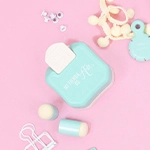
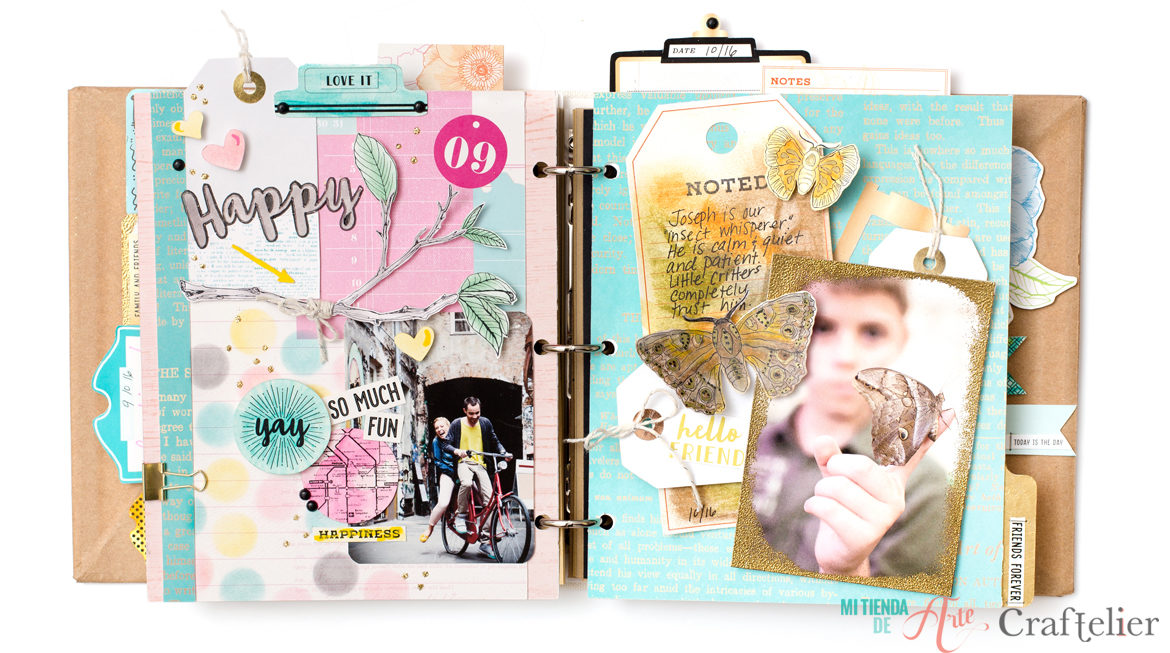
Scrapbooking is a technique or method which aims to capture our memories, feelings or any important moment. Photographs are the main character here, they are decorated with printed papers that are available in many different designs, ribbons, cardstock, washi tape, stamps and many other different kinds of accessories and ornaments. Although its own name says it so, scrapbooking is not only restricted to scraping in a book but in any format you may want to use, as for example, an album, a card or a sheet. Scrapbooking helps to preserve our memories physical and artistically. In many cases, it also includes watercolor techniques, calligraphy, sewing, painting, or stamping. The main goal you must look after when you are scrapbooking is that you must tell a story. To achieve that, there are two fundamental elements: photographs and the memories around them.
We are sure you've made this creative activity in many different situations without realising what you were doing. We make scrap when we decorate our agenda or planner or when we keep the maps, little notes and travel tickets in a notebook.
Think about it. Have you ever kept the train tickets from a special journey? Have you ever decorate with many details a present? And have you ever kept your photographs with loving care in an album? These are just some of the examples of the many ways you can scrapbook.
If you keep maps, wrapping paper, paper cuts, photographs... you have all the material you need to make scrap!
What are the materials I need to make scrapbooking?
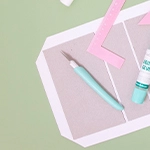
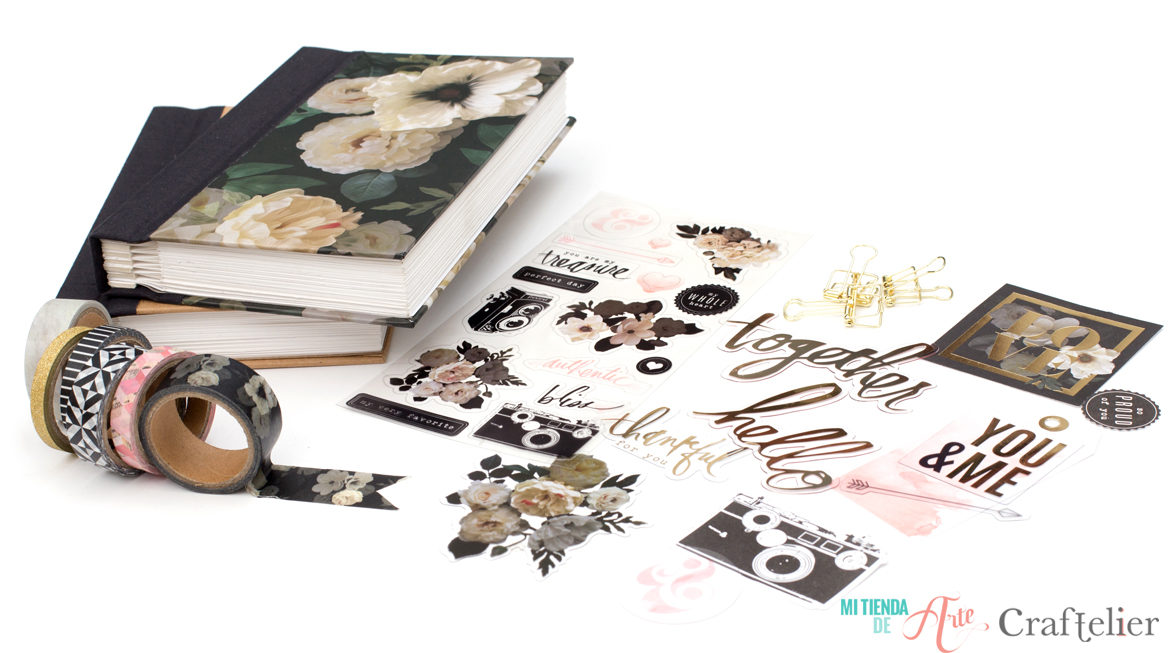
1.- The photographs you want to work with and decorate. 2.- A good pair of scissors or a cutter. 3.- Glue, whether it is liquid, on a stick or double-sided tape. 4.- Papers, it doesn't matter their design, they can have different prints or be plain. It's your election and it depends on you and the kind of project you're making and it's theme. 5.- Ornaments: stamps, strips, washi tape, stickers... whatever you have and want!
They key of scrapbooking: the paper
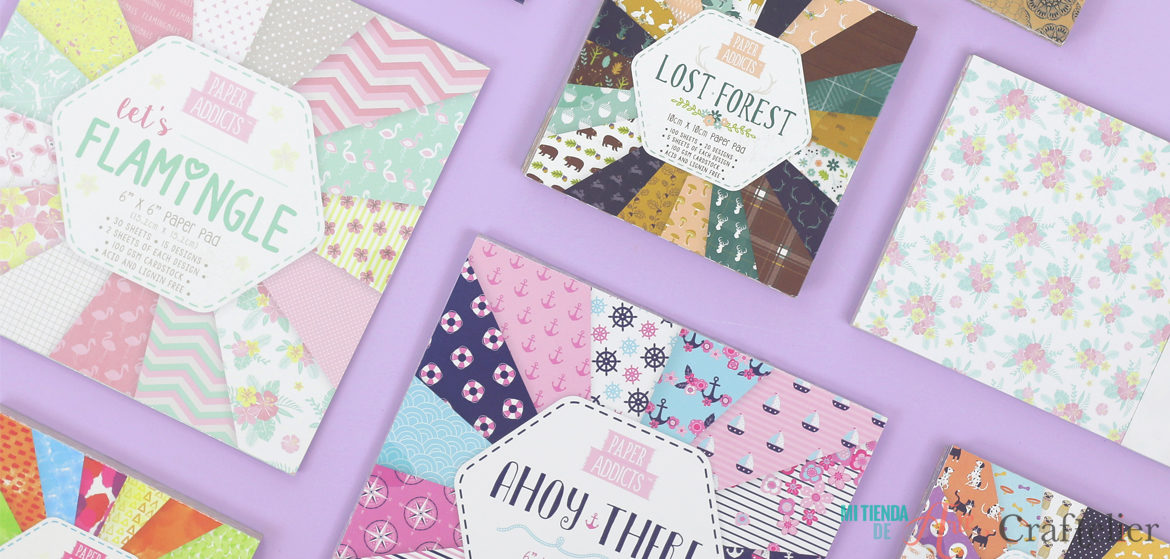
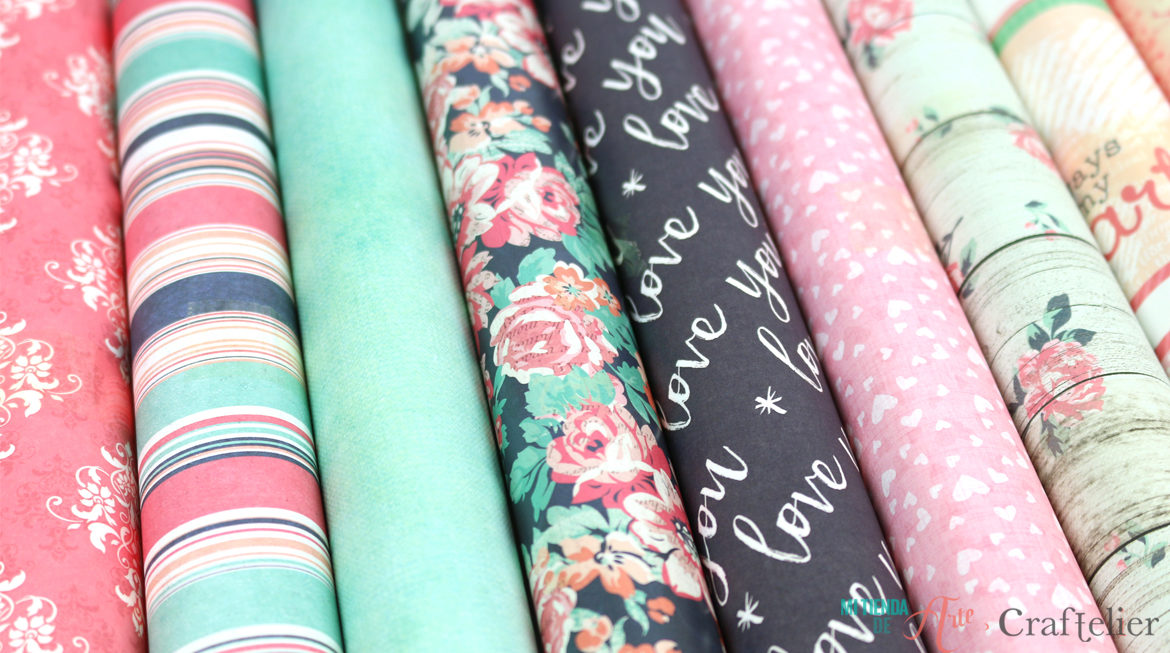
If there's something of vital importance in scrapbooking it's the paper. They can be plain, with textures, with foil details, it can be a wood imitation or be full of flower designs. The reason is simple, the paper is the base of our structures, pages and decorations. Nowadays, we can choose between a huge amount of different designs with all the different themes you could think about. Actually, it can be a little overwhelming. We can find the ideal set of papers to decorate our wedding album, the first days of a newborn or our most treasured holiday. There are thousand of different designs!Set, stack or kit? What are the main differences between them?
Pattern papers are usually part of a whole collection that includes the papers and a lot of different accessories. So, we can find a whole spectrum of designs under the same theme with a colour range carefully selected for you to make it easier to use them in the same project. Collections are usually presented in a kit, set or stack and it's totally normal not being able to distinguish them, so... here we go!- Kit: we find it inside a plastic packaging and it has unpasted sheets. Many kits include a sticker or a cutout sheet to complete the collection.
- Set: when they come in a set, papers are pasted on one side and the collection of papers looks like a block. But don't be afraid, it's very easy to detach the sheets. They normally come with a cardstock at the end of the block to protect the papers. There are sets that include 180 papers!
- Stack: it's the registered name by one of the biggest brands designing scrapbooking papers, DCWV. They gave this name to their sets to mark a difference between them and their competence. This way we can find sets that are called "The Basics Stack" or "My Sunshine Stack".
What size are scrapbooking papers?
The pattern papers we use to create our scrap album full of memories came, usually, in 30.48x30.48 size, or in other words, 12x12". In North America, they are so used to work in this kind of sizes, as inches are their metric system. In other countries, as in Spain, we are used to work with formats like A4 or A5. As the first companies to produce scrapbooking paper were born in the USA, they spread this size and most of tools and papers come in inches. Although there are a huge amount of Europeans designers that produce their own papers, they make them in inches since it's the format that has prevailed in the scrapbooking world. There are different formats of papers and the most common sizes of papers are the following:- 12x12" or 30.48x30.48cm.
- 8x8" or 20.32x20.32cm
- 6x6" or 15.24x15.24cm
Scapbooking styles
In an attempt to embrace the different existing sides, we are going to talk about four different scrapbooking styles.- Vintage: ochre and brown colours are the most used tones because they represent perfectly the passing of time in our papers and photographs.
- Shabby-Chic: romantic and pompous style where lace edgings, bottoms, openwork fabric, and flowers are the ornaments that never miss in a shabby-chic scrapbooking project.
- Clean and simple: the most important element in these projects are the photographs so papers are usually plain and there are little elements in their decoration.
- Mixed Media: colours and textures combinations take a lot of importance to create compositions that could, or couldn't, came along with a text or photography.
If you came here without knowing a single thing about scrapbooking, we hope this post has awakened some curiosity on you about the large range of possibilities that scrapbooking can offer to you.
If you are already an expert, tell us in the comments how'd you define "scrapbooking". It's a tough question, isn't it? :)