Watercolour is one of the most common fine art techniques and many artists choose this product because of its versatility and quality of finish.
As in so many other things, watercolour comes in different formats and each artist prefers one or another depending on their tastes and needs. You probably know about watercolours in godets or tubes, but what about watercolours markers or sticks? Today's post will explain a little about the different varieties of watercolour that we can find on the market and the advantages and disadvantages of each one of them.
Solid watercolour
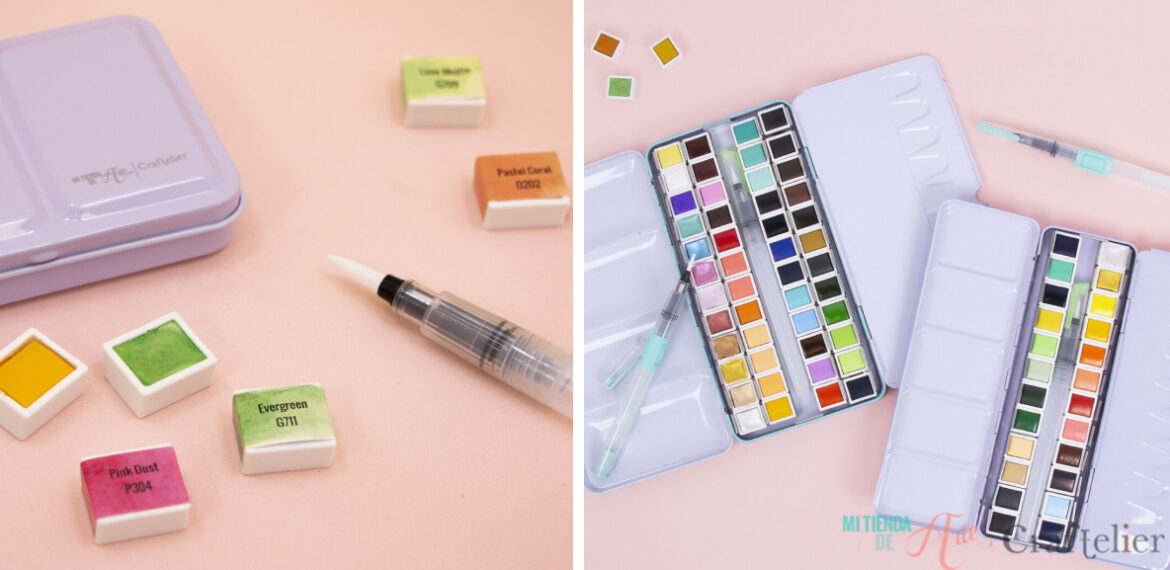
This is possibly the most common form of watercolour. It comes in godets or half godets and consists of pressed dry pigment. For this reason, they will last for a long time.
To use it, simply wet your watercolour tablet with the brush and once you have a creamy texture, you can start painting.
Watercolour godets are very useful for painting small portions, if you want to paint large surfaces, you will need a little more patience as the surface you have available to pick up the colour and apply it is smaller. You will have to dip the brush into the watercolour tablet quite a few times.
As they are easy to use, they are the most recommended type of watercolour for those who are just starting in the world of watercolour.
Watercolour tubes
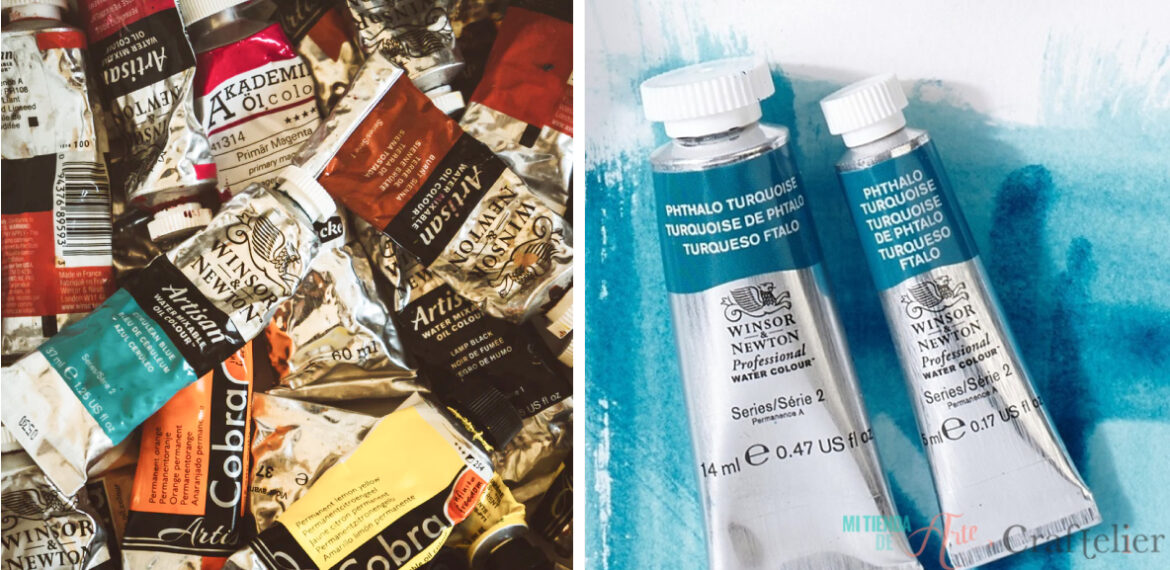
This is another very common watercolour format. It is very useful, and we can find a greater variety of colours for them. In addition, it has a great advantage over watercolour godets in that you will be able to create new colours from mixtures without having to mess up our watercolour.
Tube watercolour is also perfect for detailed work or specific effects, as its composition is more humid and it will take longer to dry.
Stick watercolour
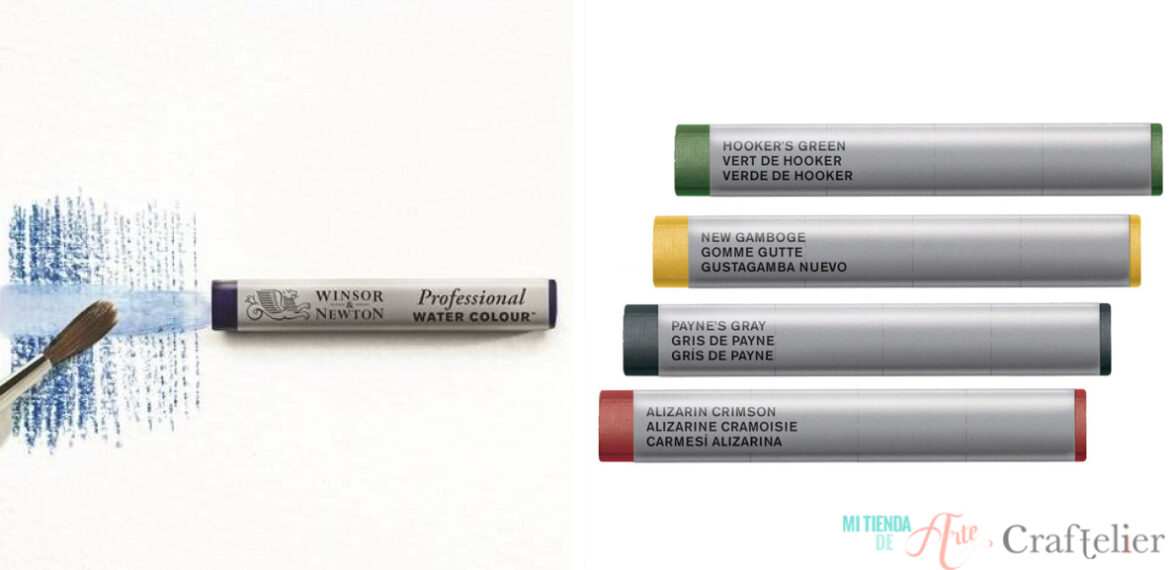
These Winsor & Newton stick watercolours are very versatile as they can be used both wet and dry. In this way, you can, with the help of a brush and a little water, pick up a little pigment as if it were a godet and paint with it. We can also apply the pigment dry and then add water to create effects. They are perfect for adding details to our project.
Thanks to their format, we can work with them in our studio or outdoors, as it is a type of watercolour that won't make a big mess.
Liquid watercolour
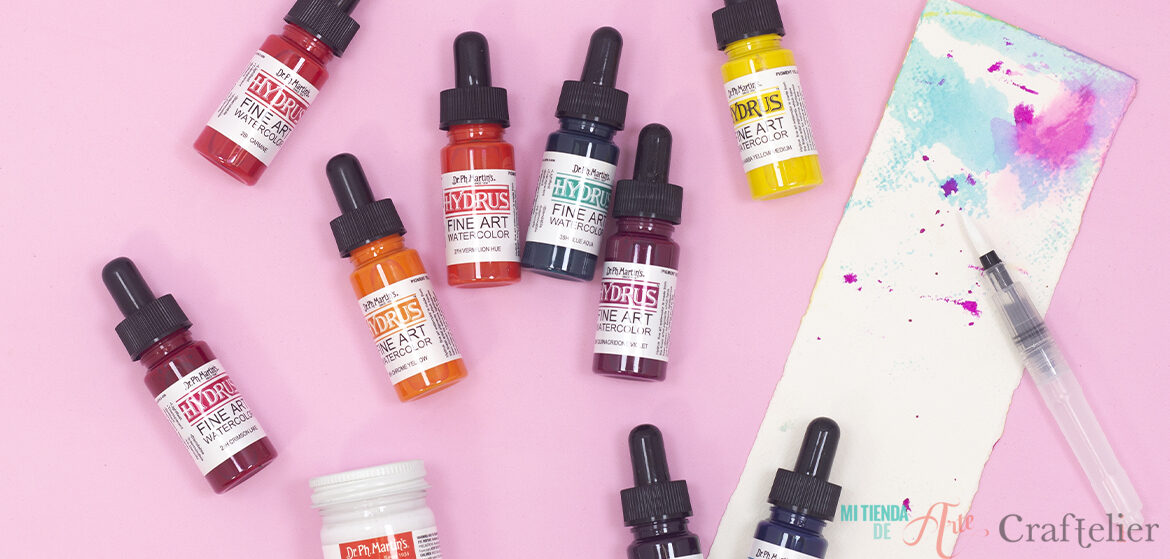
These liquid watercolours will surprise you with the shine and finish they add to your projects. Its composition is similar to Indian ink, so if you are familiar with this product, you won't have any difficulty getting used to the texture of liquid watercolour.
Most of the bottles we find on the market have a measuring lid, which is very useful to control the amount of pigment we are using and super useful for colour mixtures.
One thing to bear in mind when using these watercolours is the type of paper you are going to use. Since it is a liquid watercolour, you will need a paper with a high density so that it can absorb the humidity of the watercolour.
We recommend Dr. Ph. Martins or Ecoline, which are very easy to use, and the final result will surprise you.
Watercolour pencils
In recent years, coloured pencils have become very popular due to the popularity of colouring books for adults. That's why you may be familiar with watercolour pencils. As was the case with the watercolour stick, you can work with them in two ways. Traditionally using them, just as you would use any pencil, or by wetting the tip a little. You can also paint dry and then, with a brush, wet the parts you are interested in. The result between using it dry or wet is very interesting as it gives different results, which can be very useful to give details to your project.
Watercolour markers
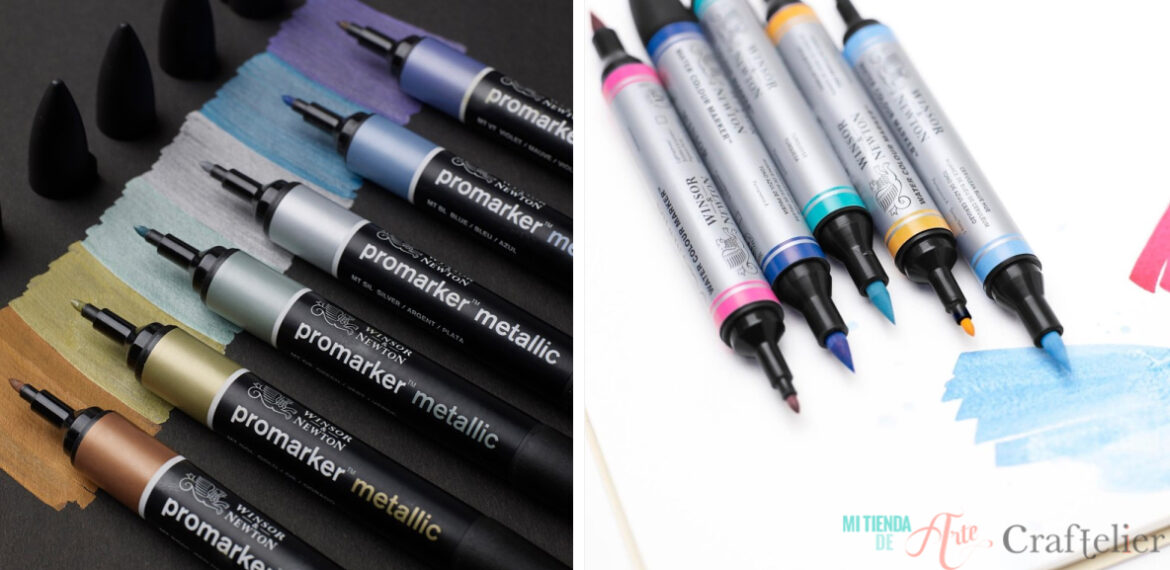
Watercolour markers are one of the favourite formats in the world of design, they are very easy to use and best of all, they are very clean! You can either paint directly over your canvas or dilute the pigment in water, to play with the tones and intensities and thus obtain a softer colour.
Do you know all the watercolour formats we have mentioned? If you usually work with watercolour, tell us in the comments which format you like the most and why. See you in the next post!